AFRICAN diasporas often live at the crossroads of identity and culture, belonging fully neither to their old homes nor to their new ones. They exist in a kind of in-between space, familiar yet foreign in both places. In their adopted homes, whether in the United States, the United Kingdom, or elsewhere, they encounter a question that appears simple on the surface but carries surprising emotional weight: Where are you from?
The question is rarely just about geography. More often, it is an attempt to place someone within a framework of assumptions about culture, behaviour, character, and belonging. For many in the diaspora, myself included, it can feel less like curiosity and more like an inquiry into legitimacy. A simple answer rarely satisfies the person asking. “Denver” or “London” is often treated as incomplete, as though the real answer lies elsewhere, buried beneath accent, skin colour, or appearance.
I have come to recognise how loaded this exchange can become. The question does not seek to establish where the diaspora currently lives, but where others believe they truly belong.
In many cases, Black diasporas are seen through a fixed lens of identity, one that remains tethered to Africa regardless of how long they have lived abroad, how much they have changed, or how thoroughly they have adopted the customs of their new home.
I was reminded of this recently during a trip through the Scottish Highlands. The morning was cold and damp, the kind of weather that settles into your coat and boots. As our tour bus wound through hills striped with heather, sheep, and locks, the guide casually asked: “Where are you from?” I answered politely: “The United States.” He paused before replying, “You don’t sound like the people from there.” Instantly, I understood what he was really asking. My answer had disrupted his expectation of what an American should look or sound like.
So, I clarified: “You mean where I’m originally from? Southern Africa.” I ended the conversation there, unwilling to indulge the assumptions that so often follow. The exchange lingered with me long after the tour ended, not because it was unusual, but because it belonged to a pattern I had come to know well.
For many diasporas, especially those living in predominantly white communities, this becomes part of daily life. Many people they encounter are simply unaccustomed to engaging with those who look or sound different from themselves. This is not to suggest malice in every interaction, nor to claim that all communities lack exposure to difference. Yet the cumulative effect of constantly being asked to explain oneself can be exhausting. Over time, the question begins to feel less conversational and more existential.
Diaspora life often feels like permanent translation, a constant effort to make oneself legible to others.
And then there is the strange reversal that occurs when diasporas return home. I remember arriving in Lusaka after years abroad and, at first, feeling the immediate comfort of recognition.
The smell of fresh rain rising from the dry earth drifted through the airport parking lot. Around me, voices shifted easily between Nyanja or Bemba and English, while impatient taxi drivers called out to arriving passengers with familiar urgency. For a moment, I felt entirely at home. Then someone gently laughed at the way I pronounced a word and asked, “So, how long have you been in America?”
Back in Zambia, I am often perceived not as Zambian, but as American.
Family members and strangers alike point out changes I barely notice in myself: the way I speak, dress, walk, or eat. Even when speaking my native language, I sometimes pause to search for words that once came effortlessly. I have caught myself converting Kwacha into dollars in my head or craving foods I barely appreciated growing up, dishes like ifisashi and kapenta that now feel deeply comforting in ways they never did before. I also instinctively apologise with the overly polite cadence Americans use with strangers. These are small changes, almost invisible to me, yet immediately noticeable to others.
This is the soft contradiction of diasporic life. Abroad, one is rarely allowed to forget being African. At home, one is reminded that one is no longer entirely at home, either.
The construction of identity in these contexts differs profoundly. In America or Britain, identity is often filtered through race, accent, or physical appearance. In Zambia, identity is read through behaviour, mannerisms, and social customs. In both places, the diaspora is measured against expectations they can never fully satisfy. One cannot change their skin color, nor entirely erase the experiences that shape how they move through the world.
Over time, I have made peace with this tension. I no longer feel compelled to choose between identities as though they are mutually exclusive. I am not only Zambian, nor only American. I am both. My identity is shaped as much by my upbringing in Zambia as by the many places I have lived since. Like many in the diaspora, I exist between worlds, carrying pieces of each with me.
Perhaps that is what diaspora ultimately becomes: learning to carry home not as a fixed place, but as a collection of voices, habits, memories, and contradictions that travel with you wherever you go.
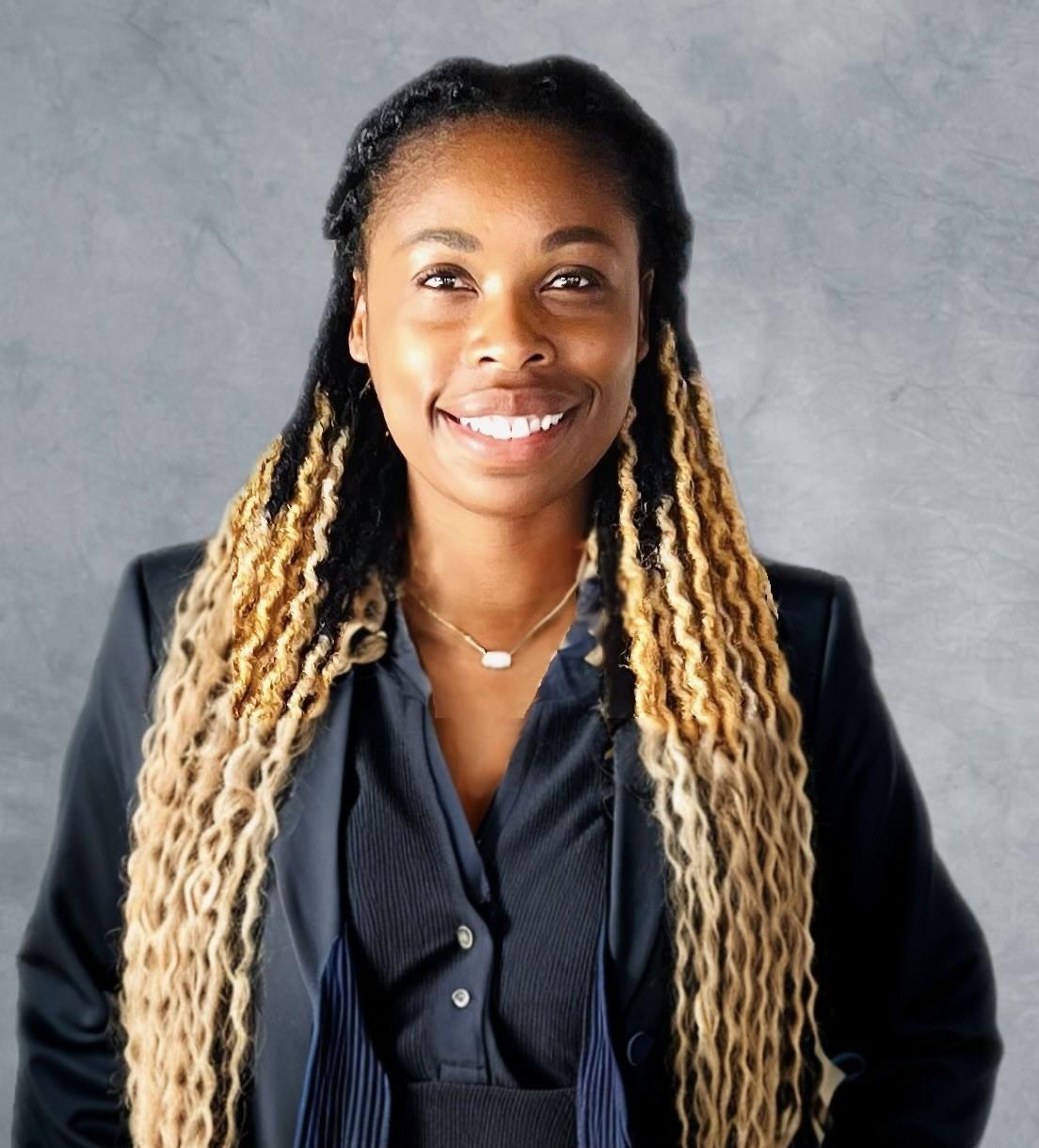
The author holds joint fellowship appointments at the Josef Korbel School of Global and Public Affairs, University of Denver and University of Edinburgh Law School.