DOREEN NAWA
Lusaka
WEAK governance, limited community participation and poor value retention continue to undermine Africa’s mining investment potential, traditional leaders from Zambia and South Africa have warned, arguing that sustainable returns will remain elusive without reforms that anchor projects in local ownership and transparency.
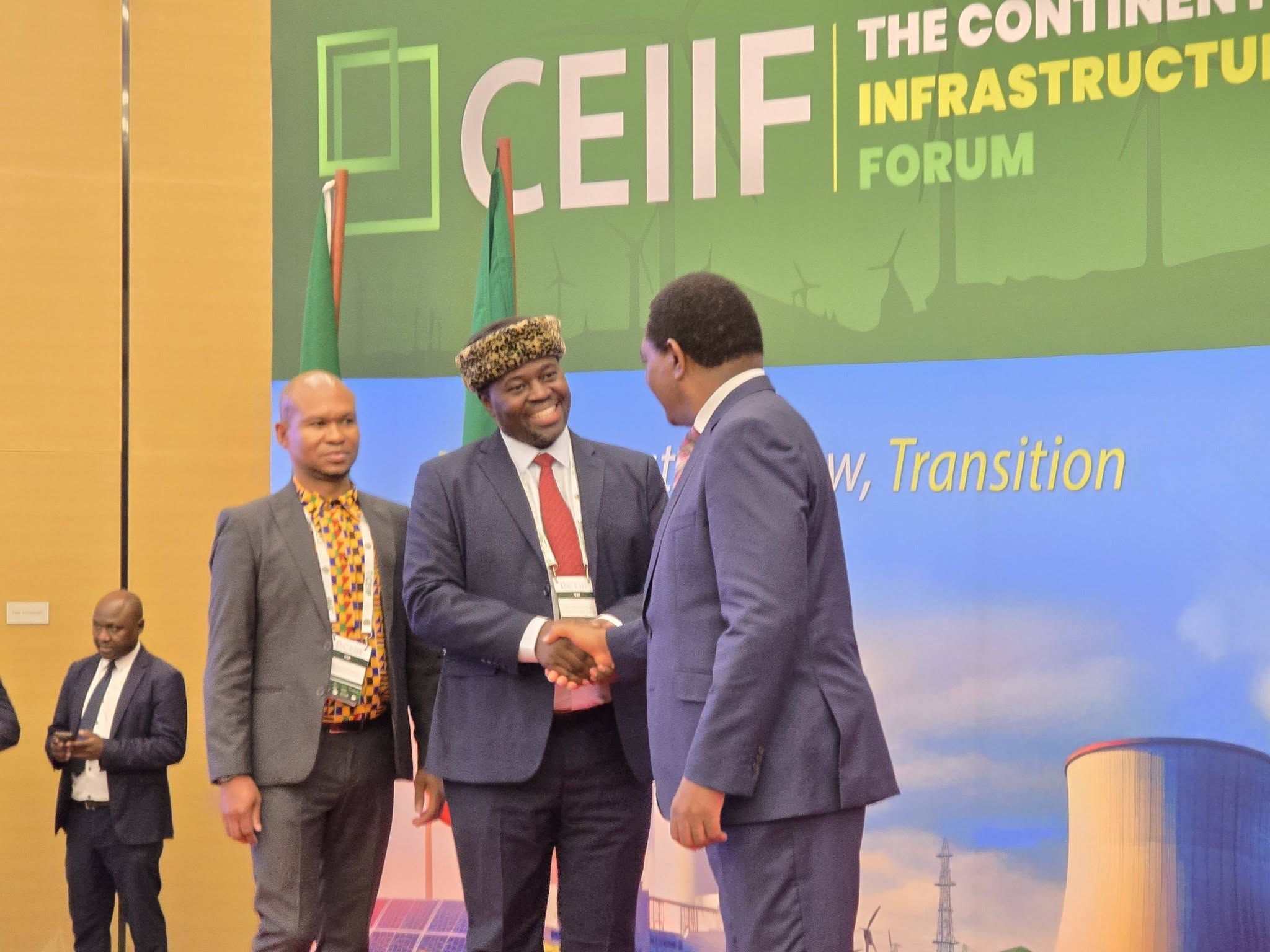
Speaking during the Continental Energy and Infrastructure Investment Forum (CEIIF) in Lusaka, House of Chiefs chairperson Chief Choongo said Zambia’s mineral wealth risks becoming a stranded asset if extraction continues without clear accountability on revenues and benefits.
“Investors mine, minerals are exhausted and money is made, but the question is where that money goes,” Chief Choongo said. “When communities see no value, the system becomes unstable, and that instability affects business.”
He said the absence of structured engagement with traditional leaders – who are custodians of land – creates operational risks for investors, including illegal mining, social unrest and reputational damage.
“Illegal mining is not just a social problem; it is a market failure caused by lack of transparency,” Chief Choongo said. “When communities are excluded, informal mining fills the gap.”
Chief Choongo argued that Zambia has an institutional advantage that investors could leverage, noting that traditional jurisdictions are clearly defined through national registration systems, making structured community participation feasible.
“Our minerals sit in identifiable chiefdoms.
That gives investors and Government a clear entry point for planning value-sharing models that reduce risk and improve project longevity,” he said.
From a regional investment perspective, South Africa’s Kgosi Edward Mabalane said conflicting legislation and weak permit administration across the continent continue to distort mining markets and crowd out emerging local players.
He said in South Africa, the legal framework that vests mineral ownership in the state has diluted accountability at local level, while leaving traditional leaders to manage the social externalities of mining without decision-making power.
“When the state controls approvals but communities absorb the impact, you create a governance gap that investors eventually pay for,” Kgosi Mabalane said.
He further warned that poor administration in issuing prospecting and mining licences has enabled land banking by large conglomerates, limiting entry for SMEs and mid-tier firms that could deepen domestic value chains.
“This becomes corporate bullying. Large companies occupy vast areas, while smaller, agile businesses that could add value locally are locked out,” he said.
Kgosi Mabalane also criticised fronting arrangements that give the appearance of local participation while exporting most profits offshore.
“Value leaves the continent, yet Africa carries the environmental and social costs,” he said. “From a business standpoint, this is value leakage that weakens domestic capital formation.”
Both leaders said corporate social investment should evolve into equity participation, local manufacturing and skills transfer that outlast the mining
life cycle.
“They come and say they painted schools,” Kgosi Mabalane said. “But real value is building factories, creating supply chains and holding equity that continues after the mine closes.”
Chief Choongo said aligning mining projects with sustainable development goals is not a regulatory burden but a risk-management and value-enhancement strategy.
“Stability, transparency and community buy-in are what protect investments,” he said….https://enews.daily-mail.co.zm/welcome/home