NKOMBO KACHEMBA
Lusaka
THERE are buildings that serve a purpose and then there are those that carry a nation’s memories within their walls.
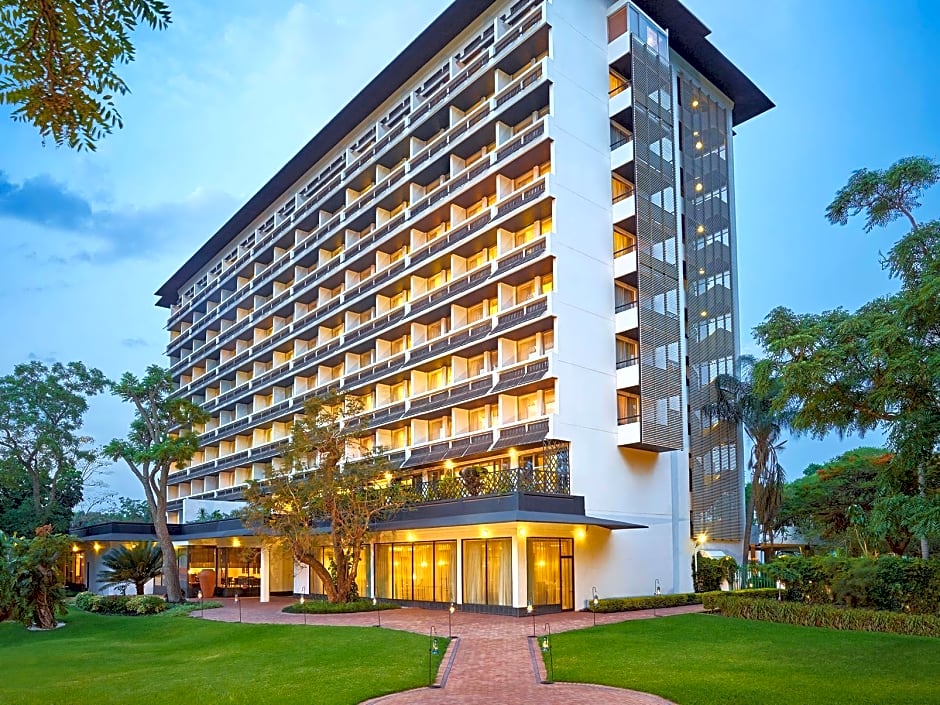
In Lusaka, standing quietly yet authoritatively on Church Road, the Pamodzi Hotel belongs to the latter.
For more than four decades, this iconic establishment has been a centre of diplomacy, celebration, business, intimacy and history, a place where Zambia has welcomed the world, and where Zambians have marked some of the most important moments of their lives.
The hotel was constructed in 1979 by Zambia Engineering and Construction Company Limited (ZECCO), a joint venture company between the Zambian government and Energoprojekt Engineering and Contracting Company of the former Yugoslavia.
It was the same company that built the University Teaching Hospital, Zambia’s tallest building, Findeco House, and President Kenneth Kaunda’s Shambalakale mansion.
At a time when luxury hospitality was rare in southern Africa, Pamodzi rose as an ambitious declaration that Zambia was ready to host the world on its own terms.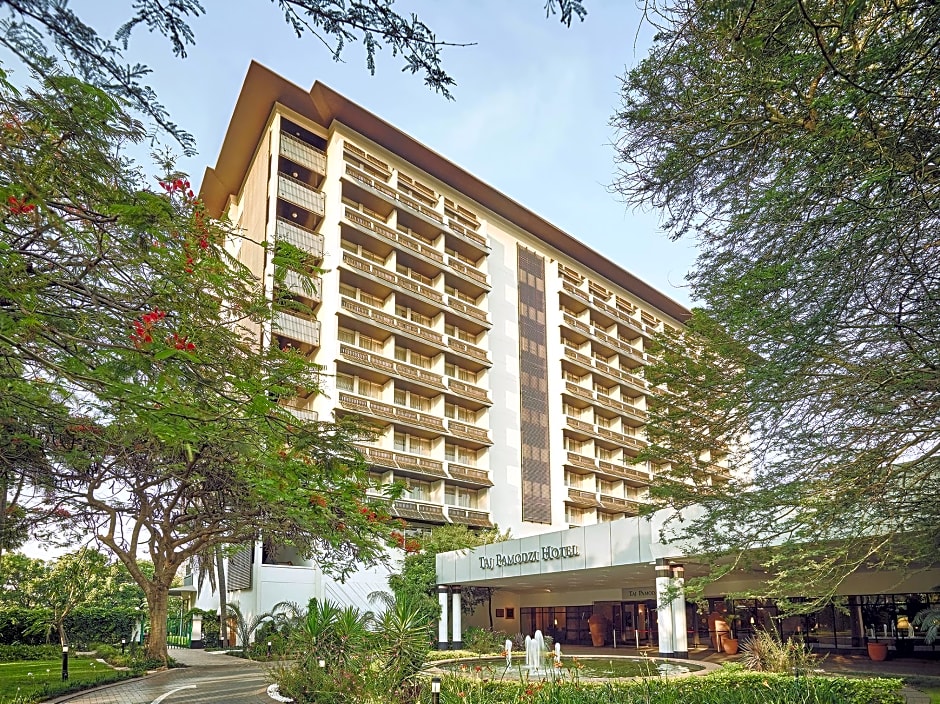
Originally operating under the management of the Indian-based Taj (Tata) Group and widely known as the Taj Pamodzi, the hotel quickly established itself as the country’s leading five-star property.
It became Lusaka’s premier address for presidents, foreign dignitaries, heads of delegations, investors, diplomats and international celebrities.
The grand entrance, lush gardens, refined suites and glittering banquet halls formed a stage on which Zambia’s political and diplomatic story has frequently unfolded.
Over the years, Pamodzi has hosted several heads of state during official visits to Zambia.
Former South African President Jacob Zuma was received there during a state banquet in Lusaka, as were India’s former President Ram Nath Kovind and Angola’s President João Lourenço.
Former Tanzanian President Jakaya Kikwete and Ethiopia’s former Prime Minister Hailemariam Desalegn are among other notable leaders who were entertained within the hotel’s walls.
Yet, beyond the formal handshakes and flashing cameras, Pamodzi belongs just as much to ordinary Zambians as it does to world leaders.
For many families, the hotel is the backdrop to treasured memories – weddings under its chandeliers, milestone birthdays in its banquet halls, first swimming lessons in its pool, and childhood outings in its gardens.
Generations have grown up associating Pamodzi with elegance, aspiration and momentous occasions. It is not simply a hotel; it is a keeper of personal stories.
As Lusaka expanded and modernised, Pamodzi retained its dignity as a landmark of both heritage and hospitality.
But like all great structures, time has left its imprint.
Today, the hotel is undergoing the most significant transformation in its history; one that promises to usher it into a new global era while preserving the heart that makes it uniquely Zambian.
At the centre of this transformation is general manager Evelin Botker, who has taken on the challenge of guiding this heritage property through its rebirth.
Under new majority ownership by ASB Hospitality, a UAE-based investment company renowned for restoring historic hotels across Africa, Pamodzi is set to be reintroduced to the world as Hyatt Regency Lusaka the Pamodzi.
“Hyatt is an international brand, an American brand,” Botker explains. “The first Hyatt hotel opened in the United States and today there are about 1,400 hotels around the world. It is a major player in the hotel market and has many different brands under its umbrella. This particular hotel is going to be a Hyatt Regency, which is one of the original and most recognised Hyatt brands.”
She describes the Hyatt Regency concept as a well-positioned city hotel in the five-star segment, providing both business and leisure facilities at the highest level.
For Lusaka and for Zambia, the arrival of such an internationally recognised brand will raise the country’s profile and increase its attractiveness to global travellers.
“The owner of the building is ASB. They have multiple hotels in different African locations such as the Hyatt Regency in Harare, the Hyatt Regency Dar es Salaam at the Kilimanjaro,” she says.
“They pick up heritage landmark hotels and renovate them completely. This is what is going to happen here as well.”
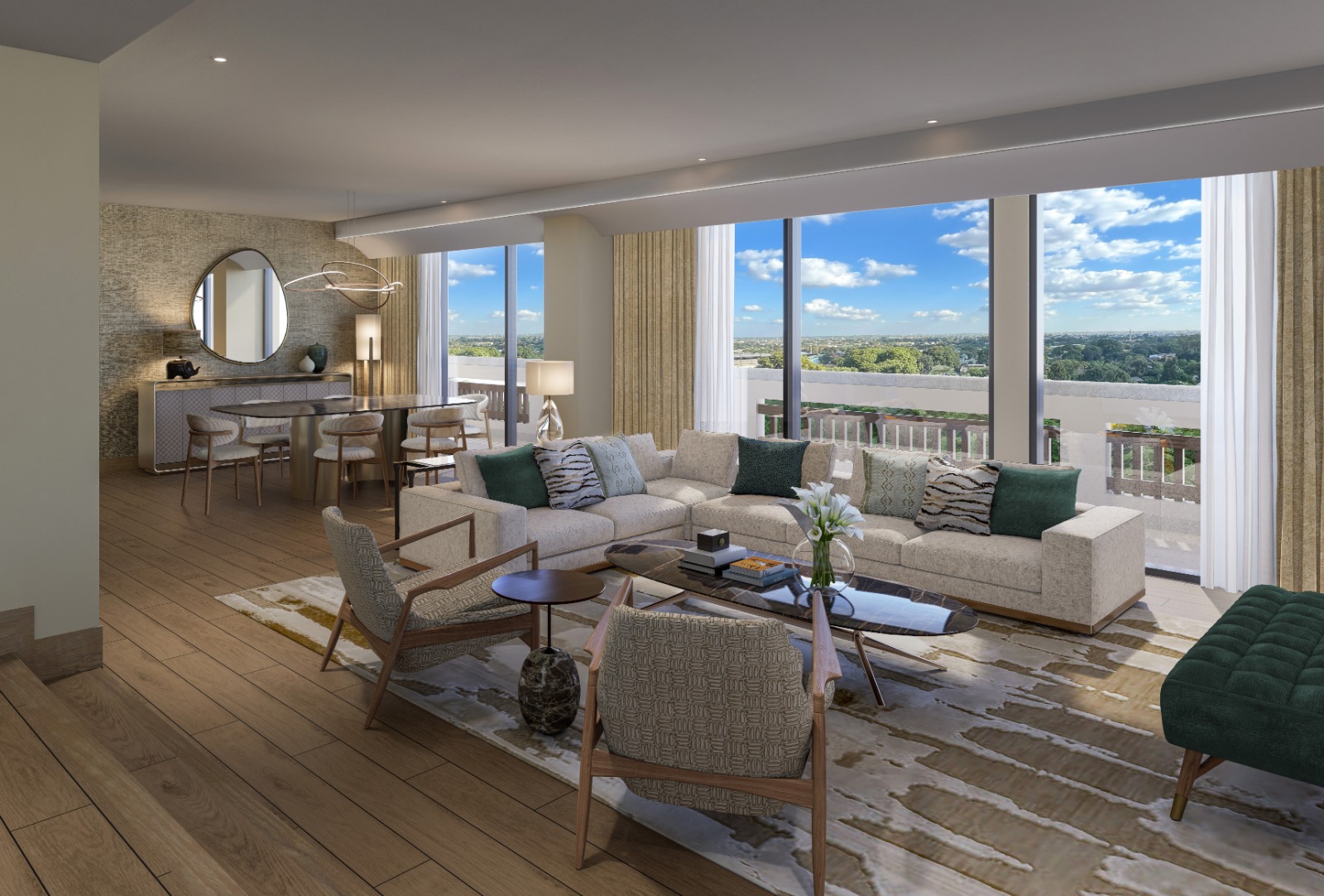
According to Ms Botker, the transformation is happening on two major fronts. The first is the physical renovation of the hotel, which will see a complete redesign of the public spaces, guest rooms and leisure facilities.
The second is an intensive training programme for staff, aligned with Hyatt’s international standards and service philosophy.
“As a brand hotel, you have to provide the same level of service, whether you are in Lusaka, in Lima or in Paris,” she explains.
“So we are uplifting the service level, making it more unified with other Hyatt hotels around the world. The mindset is more service-oriented, and we are going through extensive training in all departments.”
The scope of the renovation is ambitious.
All public areas including the reception, lobby, restaurant and bar will be redesigned.
A new gym and spa complex, a new swimming pool and an outdoor events space known as “the marquee” will be constructed.
Several floors of rooms are already being refurbished, and the existing ballroom and conference spaces will be completely modernised.
“When the first phase opens next summer, three floors of the rooms and all the public areas will be done,” Ms Botker says.
“After that it will take another six to eight months for the remaining floors and existing event spaces to be completed. By early 2027, everything you see here will be brand new.”
These upgrades, she says, will guarantee Pamodzi’s place once again as a true five-star property, not only in name but in every detail of experience.
The investment figure has not yet been officially confirmed, but Ms Botker describes it as substantial, aimed at creating state-of-the-art facilities and a polished, modern environment.
Despite the sweeping changes, one thing will remain untouched: the hotel’s name and heritage.
“The Pamodzi name will stay part of it,” she says firmly. “The hotel will be called Hyatt Regency Lusaka the Pamodzi. There is no intention of losing any of the heritage. On the contrary, we want to bring it out even more.”
In fact, the management is planning to gather stories, old photographs and memories connected to the hotel, transforming them into a living archive that pays tribute to those who have passed through its doors.
“Everybody that I have spoken to in the local community has a story,” Ms Botker says.
“Either their parents got married here, their grandparents celebrated a birthday here, or they came as children to use the pool. There are so many personal ties to this place. It is only fair and proper to bring those stories out and not lose them, because this hotel is part of the community.”
As for the future, Ms Botker believes that the Hyatt brand will open new doors for Zambia itself, not just for the hotel.
“When Hyatt comes into a new market, it brings recognition from loyal customers around the world,” she explains.
“Many travellers look for that Hyatt symbol when choosing where to go. So the rebranding will not only promote the hotel but Zambia as a destination. It is good PR and good marketing for the country.”
She is also optimistic about the impact of Hyatt’s global loyalty programme, World of Hyatt, which allows guests to earn and redeem points across thousands of locations worldwide, creating new incentives for both international and local travellers.
Yet, even in an era of artificial intelligence and automation, Ms Botker believes that hospitality will always remain a human art.
“I don’t think AI or robots will replace people in hospitality in the near future,” she says with a smile. “Human interaction is still the key, and the people here in Zambia are so warm, friendly and welcoming. That is something technology cannot replace.”
As construction continues and modern designs take shape, Pamodzi Hotel now stands at a symbolic crossroads – one foot in history, the other stepping boldly into the future.