DOREEN NAWA
Lusaka
RURAL Electrification Authority (REA) and United Nations High Commissioner for Refugees (UNHCR) have renewed their partnership to expand electricity access to refugee settlements and surrounding host communities across Zambia.
The two organisations signed a new memorandum of understanding (MoU) aimed at advancing electrification projects in the Meheba (Kalumbila, North-Western Province), Mayukwayukwa (Kaoma, Western), and Mantapala (Nchelenge, Luapula) settlements.
The initiative focuses on improving electricity access while supporting local economic activity and essential social services.
REA chief executive officer Alex Mbumba stated that the renewed partnership builds on the results achieved under their previous 2023–2025 MoU, which facilitated the Meheba Phase I grid extension project.
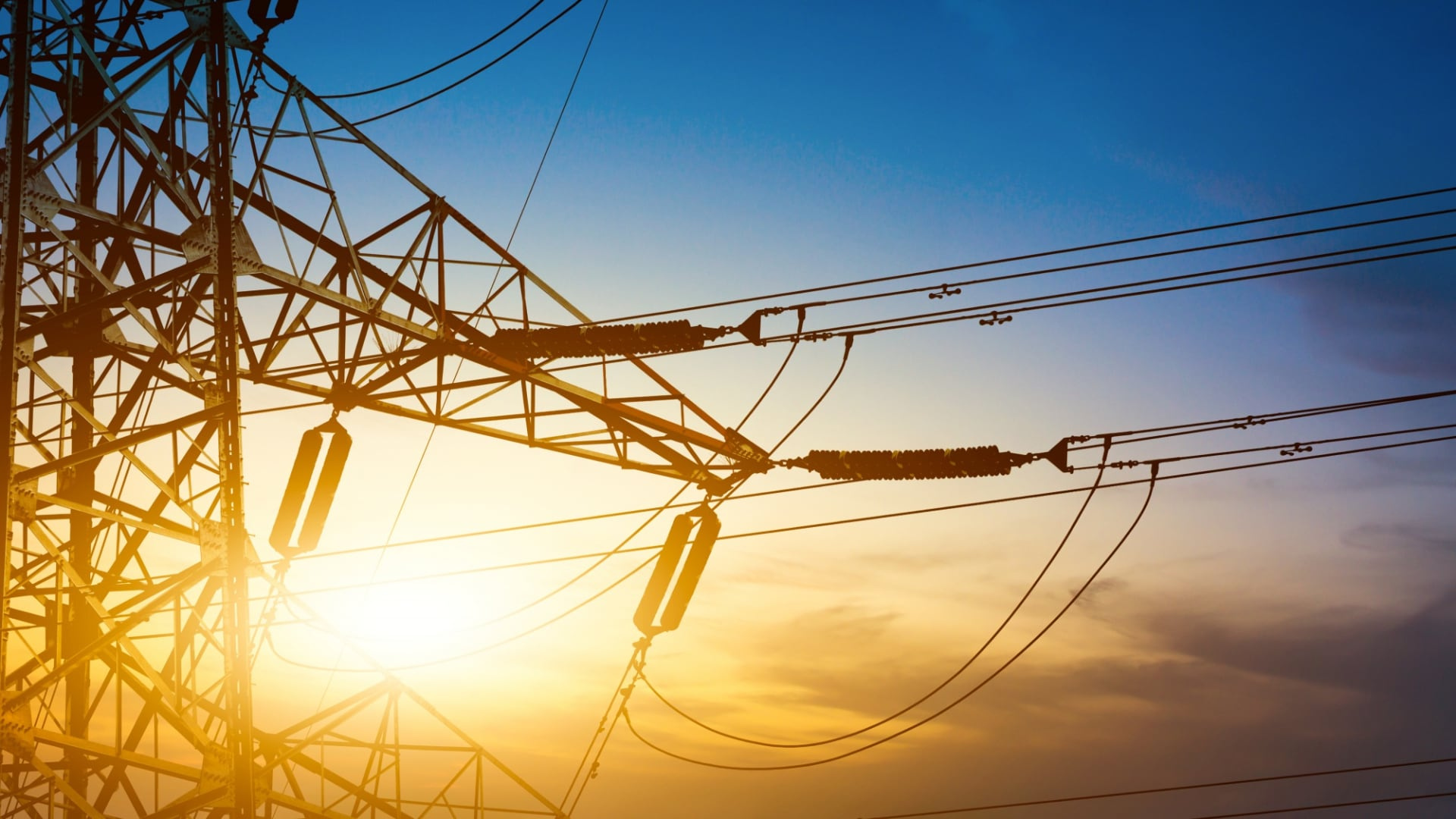
Under that project, Meheba A, Meheba B, and Kananga were connected to the national grid through the construction of 28.268 kilometres (km) of 33kilovolts (kV) overhead lines and 10.909km of 400V distribution networks, completed at a cost of K16.26 million.
The project was designed to benefit more than 300 households, businesses, and social facilities, including schools, rural health centres, a police post, and St Mary’s Mission.
Mr Mbumba noted that more than 30 connections were completed by the time of technical commissioning, while REA’s Last Mile connection fee subsidy programme subsequently helped boost total uptake.
The subsidy programme significantly reduced the electricity connection fee from K4,846 to K300.
“As of September 18, 2026, more than 120 applications had been captured and more than 50 beneficiaries had been connected,” he said.
Under the new MoU, REA will provide technical support covering pre-feasibility and feasibility studies, project design, environmental assessments, tender documentation, supervision, and monitoring.
UNHCR multi-country representative for Zambia, Malawi, and Zimbabwe Helen Mebrahtu said access to electricity is vital for fostering self-reliance and economic inclusion among refugees and host communities.
“Beyond how many communities we can connect, we should also challenge ourselves collectively: what opportunities can those connections create?” Ms Mebrahtu said, adding that reliable electricity can drive value addition, business development, higher education, and stronger local economies. https://enews.daily-mail.co.zm/welcome/home