MATHEWS MALAZIKA
Lusaka
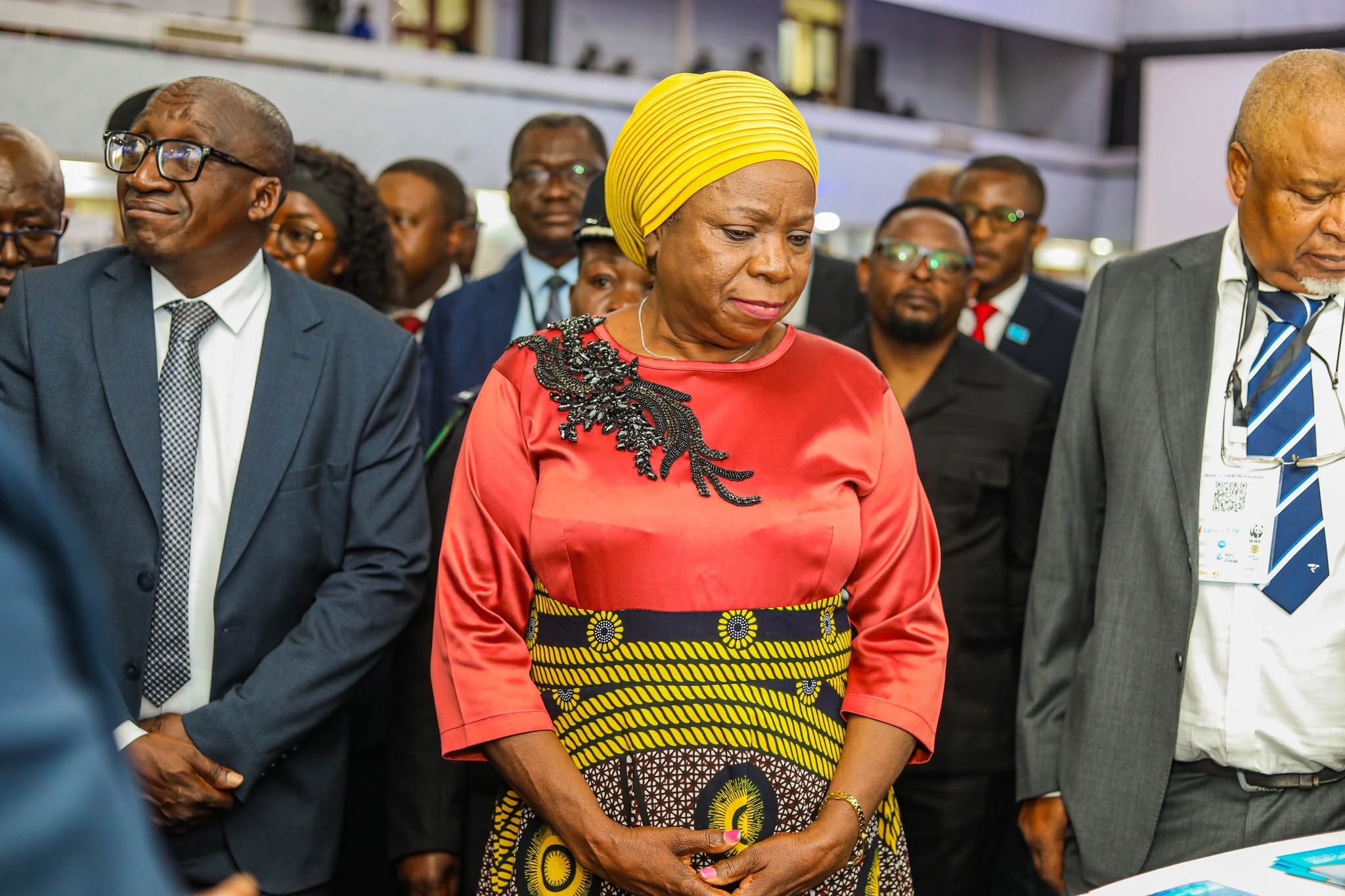
TO SHOW commitment to developing the water and sanitation sector in Zambia, Vice-President Mutale Nalumango says Government has zero-rated tax on water treatment chemicals. Mrs Nalumango said this has reduced costs for water supply and sanitation companies and ensured more affordable access to safe drinking water. She said this yesterday during the 14th Zambia Water Forum and Exhibition (ZAWAFE). This year’s ZAWAFE is being held under the theme ‘From commitment to action: Accelerating integrated resilience solutions for Vision 2030 and the SDGs’.
ZAWAFE has provided an exhibition platform for innovations and technologies in water and sanitation. Mrs Nalumango said the New Dawn administration has created a conducive environment for increased investment in climateresilient infrastructure, including dams, boreholes and sanitation facilities. “Government is equally providing support for commercial water utilities to expand coverage and improve service quality.
We are promoting public-private partnerships to mobilise resources and accelerate innovation,” she said. “National access to safe drinking water is estimated at approximately two-thirds of the population, with significant disparities between urban and rural areas.” Mrs Nalumango said basic sanitation coverage has remained below half of the total population, highlighting persistent inequalities that must be urgently addressed. The Vice-President urged private players to invest in water supply and sanitation as the sector has become attractive due to the reforms.
Mrs Nalumango said Government is also reviewing legislation like the Water Supply and Sanitation Act to strengthen governance and regulatory frameworks aimed at improving efficiency and ensuring equitable service delivery.
She said water is the foundation of life and development as it sustains agriculture, powers energy systems, supports public health, and preserves ecosystems.
Mrs Nalumango, however, said Zambia has continued facing challenges caused by climate variability, droughts, f loods, rapid urbanisation and rising demand for water and sanitation services. “Climate variations and the flash floods experienced during the recent rainy season, particularly in districts such as Lundazi, remind us of the urgent need for adaptation,” she said.
The Vice-President said under President Hakainde Hichilema, Zambia has diversified its energy sources to overcome the energy crisis.
She said by moving beyond reliance on hydro power and embracing solar, wind and other renewable technologies, Government has stabilised energy supply and reduced vulnerability to climate variability. Ministry of Water Development and Sanitation Permanent Secretary Romas Kamanga said rapid population growth and the negative effects of climate change have continued to put pressure on water institutions.
And Finnish Ambassador to Zambia Saana Halinen urged countries to invest in water transboundary. UNICEF deputy country representative Tinkhani Msonda commended Government for investing substantial amounts in the water sector and for showing political will. World Wide Fund for Nature country director Nalucha Ziba said there is need to support communities in preserving water areas like the wetlands.
ZAWAFE chairperson Imasiku Nyambe said in view of the anticipated El niño, farmers should not sell all their maize to counter any negative impact that may ocurr.