
- Small enterprises applaud stable power supply
MUTALE NDALAMA
Lusaka
ZAMBIA is turning to China’s rural development playbook in a new bid to transform its countryside—an ambitious move that could reshape livelihoods for millions,if it delivers on its promise.
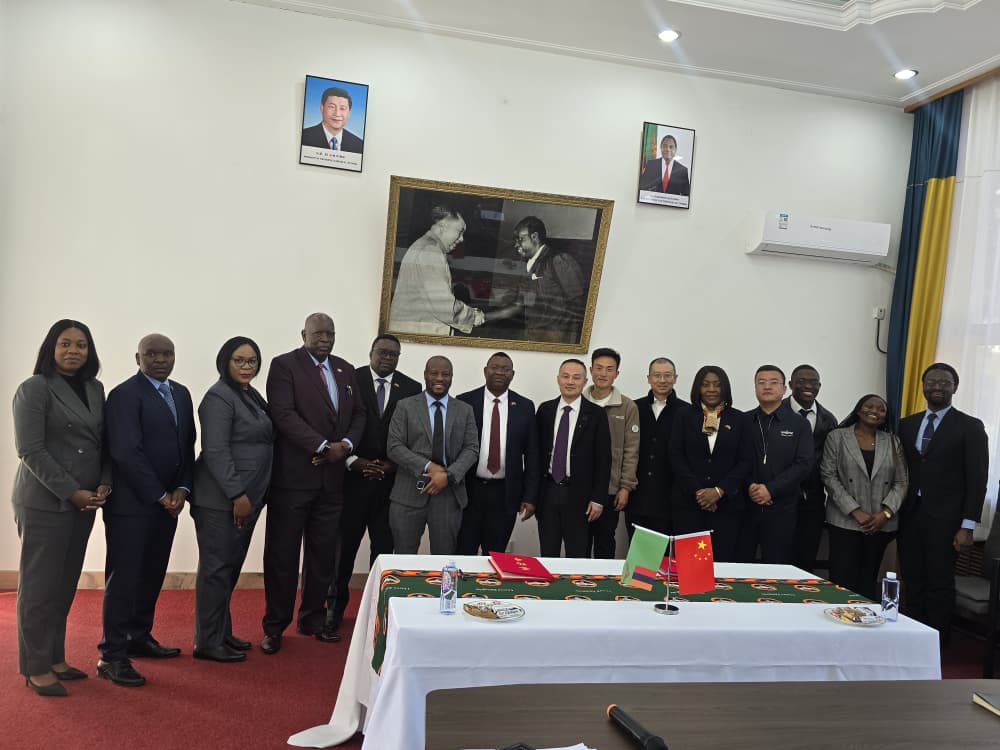
A Memorandum of Understanding (MoU) signed on March 19, 2026 between the Zambian Government and Chinese African Origins Consortium sets out a vision for a new kind of rural economy—one that moves beyond subsistence farming into a mix of agro-processing, tourism, and modern, climate-resilient agriculture.
But beyond the policy language, the real question is: what would this mean for people living in Zambia’s rural communities?
What this could look like on the ground
If implemented, the rural revitalisation demonstration project would fundamentally change how villages operate.
Instead of relying on a single rainy season, farmers could have access to irrigation systems, enabling year-round production. Crops would not just be sold raw at roadside markets, but processed locally—groundnuts turned into peanut butter, fruits dried and packaged, milk processed into dairy products.
Communities could also see cold storage facilities, improved feeder roads, and organised markets, reducing the losses that farmers currently face after harvest.
A more novel element is the introduction of leisure farming and cultural tourism. In practice, this could mean farms doubling as tourism sites, where visitors experience rural life, food, and traditions—creating new income streams for communities.
What is Chinese African Origins Consortium?
The Chinese African Origins Consortium is a China-based development initiative that brings together investors, researchers, and development practitioners focused on applying China’s rural development experience to African contexts.
While still relatively new and not widely understood in Zambia, the consortium positions itself as a bridge between Chinese technical expertise and African development priorities, particularly in agriculture, rural infrastructure, and communitybased economic development.
Through partnerships like the one signed with Zambia, it aims to pilot projects that can demonstrate how integrated rural development—combining farming, industry, and services—can be adapted outside China.
Lessons from China
China’s rural revitalisation strategy has transformed vast parts of its countryside over the past two decades.
In Zhejiang province, villages once marked by poverty have become eco-tourism hubs, attracting visitors while maintaining clean environments and strong local industries.
In Guizhou, farmers have used digital platforms to sell agricultural products nationwide, significantly increasing incomes.
These successes have been driven by heavy investment in infrastructure, strong local organisation, and deliberate efforts to link farmers to markets.
Cautious optimism from local voices
For stakeholders working on the ground in Zambia, the announcement is being met with cautious optimism.Lily Singelengele, a representative of Governance, Environment and Youth Organisation (GAYO), says the idea of integrated rural development is promising—but only if communities are fully involved.
“We’ve seen many projects come and go in rural areas,” she said. “What will make the difference here is whether farmers are part of the planning, not just beneficiaries.
If people have ownership, these projects can work.”
She adds that investments in irrigation and value addition could be transformative, particularly for young people.
“If you create opportunities beyond just growing maize—like processing, marketing, even tourism—you start to give young people a reason to stay and build livelihoods in rural areas.”
How lives could changeFor a smallholder farmer, the shift could be profound.Reliable irrigation could mean two or three harvests a year, instead of one—providing more stable income. Access to processing could increase earnings, while better roads and storage would reduce losses.
For rural youth, new opportunities could emerge in agribusiness, logistics, hospitality, and digital trade, sectors that are currently limited outside urban centres.
Women—who form the backbone of Zambia’s agricultural workforce—could benefit from stronger cooperatives and better access to markets, potentially increasing their incomes and financial independence.
The challenges ahead
Yet, significant questions remain.
China’s rural transformation was backed by vast public investment and tightly coordinated policies—conditions that may be difficult to replicate in Zambia. Issues around land rights, financing, and environmental protection will be critical.
There are also concerns about whether such projects will prioritise local needs or external investor interests.
Zambia’s Ambassador to China, Ivan Zyuulu, has already stressed the urgency of moving from agreement to action—calling for feasibility studies, clear implementation plans, and site selection.
A test for Zambia’s rural future
As Zambia seeks to diversify its economy beyond mining, rural development is increasingly seen as essential.
This partnership offers a potentially powerful model—but also a test. Success will depend not just on infrastructure and investment, but on whether the approach can be adapted to Zambia’s realities and deliver tangible improvements in people’s lives.
For communities on the ground, the promise is clear: more income, more opportunity, and a more resilient future.
Whether that promise is realised, however, is a story that is only just beginning.