
TRYNESS TEMBO
Lusaka
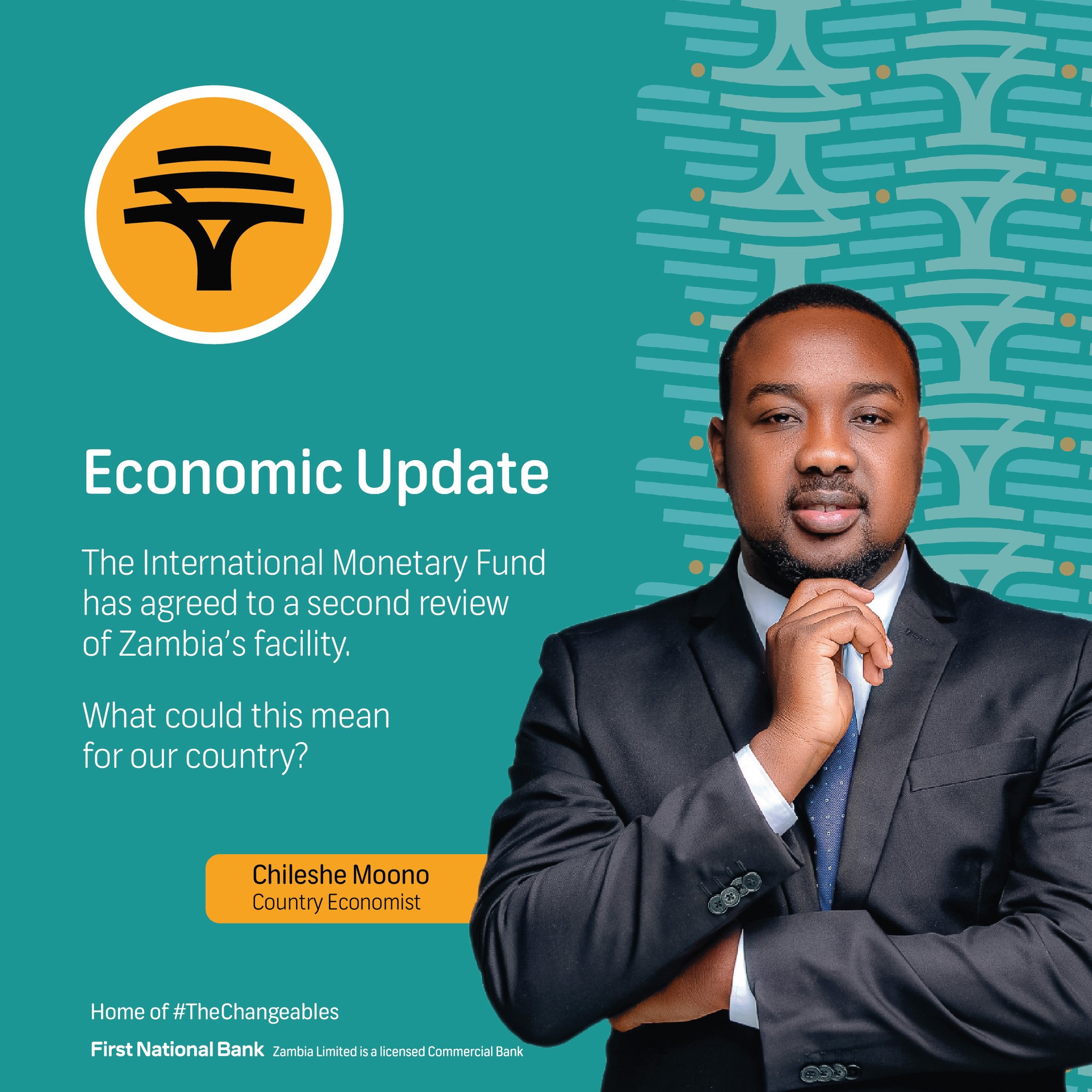
FIRST National Bank (FNB) Zambia economist Chileshe Moono says Zambia’s economic outlook remains positive despite global uncertainties driven by geopolitical tensions and fluctuating oil prices.
Mr Moono said the rising global oil prices, partly influenced by geopolitical tensions, including the US-Iran war, are already affecting trade balances and currencies across the continent.
He said at the FNB corporate women’s breakfast meeting on Tuesday that countries which export oil have benefited from the recent price increases, while oil-importing countries such as Zambia have faced increased pressure.
He also said African currencies have shown varying performances since February, with oil-exporting countries strengthening, while oilimporting nations experienced increased volatility.
Mr Moono noted that the Kwacha is among currencies that have experienced notable fluctuations due to these external pressures.
He attributed the slowdown to a contraction in the information and communications technology (ICT) sector, which declined by about 17 percent.
“Historically, ICT has been one of the best-performing sectors in the economy, so this contraction weighed heavily on overall growth,” Mr Moono explained.
Despite the slowdown, he said key sectors such as agriculture, construction, transport and tourism continued to support economic performance.
However, wholesale and retail trade, alongside other service sectors, contributed to pulling down overall growth.
Mr Moono stressed that while economic growth remains important, it should not be confused with development.
Mr Moono further observed that sectors with smaller contributions to the economy, such as agriculture and ICT, present significant growth opportunities for businesses.
He explained that although agriculture remains one of the country’s largest employers, it still contributes a relatively smaller share to overall economic output, highlighting potential for expansion.
Mr Moono also revealed that inflation has declined significantly, reaching 7.1 percent in March, bringing it within the Bank of Zambia’s target range.
He explained that lower inflation creates room for the central bank to reduce policy rates, which in turn could lead to lower lending rates for businesses and individuals.
“When inflation is high, policy rates are also high, and that ultimately leads to high interest rates on loans. As inflation comes down, the environment becomes more favourable for businesses,” Mr Moono said.
He, however, noted that Zambia’s cash reserve ratio remains high at 26 percent, which also affects liquidity and lending rates in the economy.
Mr Moono explained that although inflation has declined, many households may not immediately feel relief because food accounts for about 50 percent of Zambia’s consumer price index basket.
He added that inflation figures reflect average consumption patterns, particularly considering that a majority of Zambians rely heavily on basic food commodities.
On the currency outlook, Mr Moono said the Kwacha has strengthened by about 32 percent since the start of the year, supported by increased copper production and improved investor sentiment.
He explained that improved credit outlooks and stronger mining sector performance have increased foreign currency inflows into the economy.
He cautioned that global tensions, particularly the US-Iran conflict, could trigger capital outflows from emerging markets such as Zambia, putting pressure on the currency.
Mr Moono said if global conditions stabilise, the Kwacha could maintain moderate strength, but prolonged geopolitical tensions could push the currency toward weaker levels….https://enews.daily-mail.co.zm/welcome/home