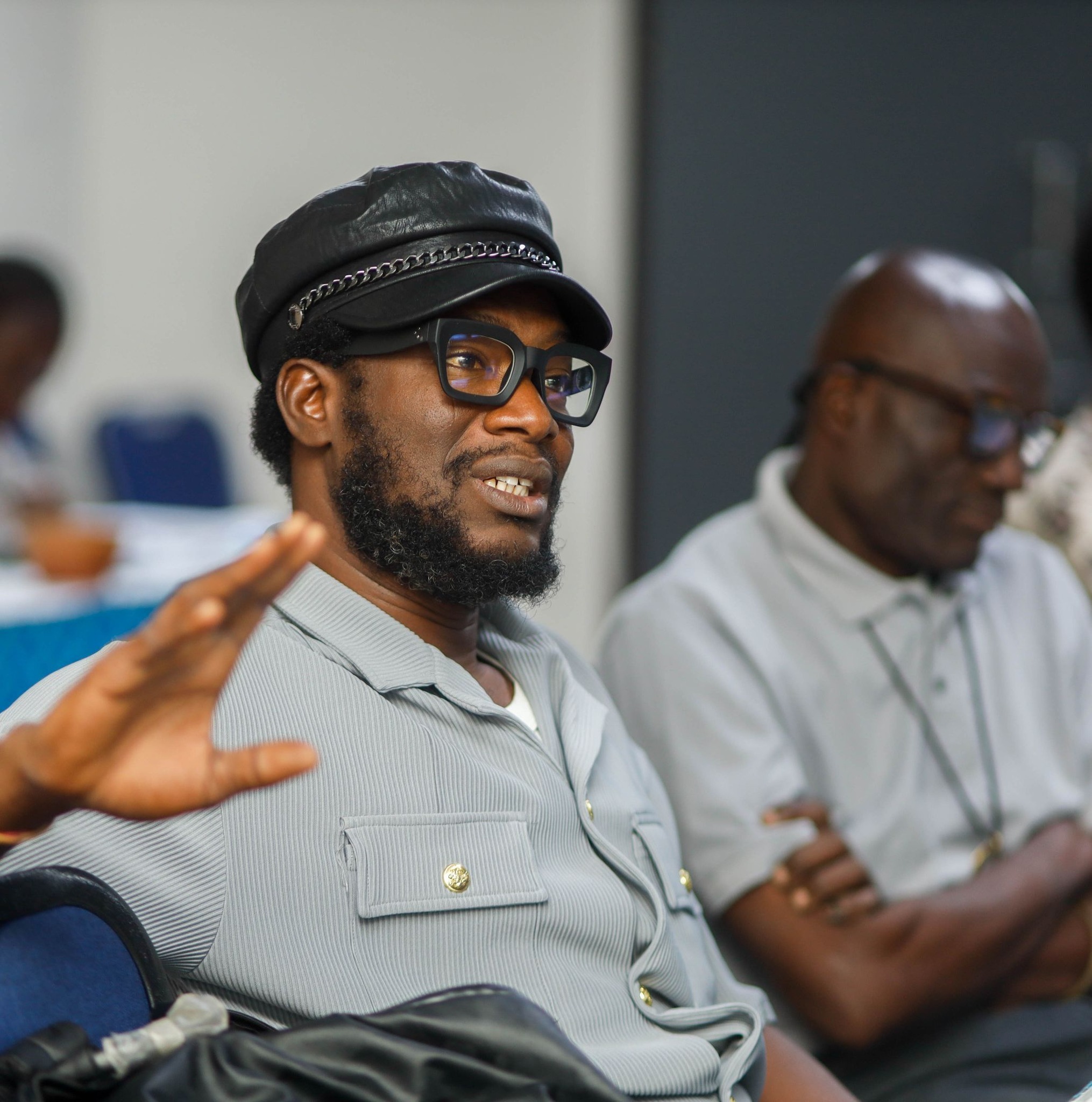

Engr Mahmud Mohammed-Nurudeen
ACCRA, GHANA
WHEN Ghana’s President John Mahama arrived in Zambia yesterday, his choice of clothing quickly drew attention on social media.
The outfit was not foreign fashion. It was a traditional Ghanaian smock, known locally as fugu, banaa, batakari, among other names.
While the reactions caused amusement online, they also highlighted how African cultures are often misunderstood beyond their borders.
In northern Ghana, the smock is a symbol of authority, respect, and tradition. Chiefs, kings, elders, and community leaders have worn it for centuries.
The smock is reserved for important moments such as festivals, weddings, religious celebrations, and state events. In the past, young men wore their finest smocks when visiting families to seek marriage, showing seriousness and respect.
“It was never just ordinary wear,” says Abdallah Abdul Razak, a smock trader and designer who has worked in the craft for many years. “What you wear shows who you are and what you stand for.”
From independence to modern politics
The smock became a national symbol in 1957 when Ghana’s first president, Dr. Kwame Nkrumah, wore it during the declaration of independence. Since then, it has remained closely linked to leadership and national pride.
Several Ghanaian leaders, including former President Jerry John Rawlings and President John Mahama, have worn smocks at public and official events. Politicians, journalists, and business leaders also wear it to reflect cultural identity.
“In Ghana, when a leader wears a smock, it means respect for tradition,” Abdallah explains. “It is not for fashion jokes.”
As a Northern Ghanaian, I have personally experienced the importance of the smock since birth. In recent years, Abdallah designed the smock I wore during my marriage ceremony. Since then, anytime I attend a festival, traditional event, or special ceremony, I return to him for another smock. When I was travelling to event in Germany, he delivered a nice one for me.
Styles of clothing differ across Africa. What is common in one country may appear strange in another. The loose and flowing nature of the smock, especially modern designs, may have appeared unfamiliar to some observers in Zambia.
Abdallah says the design is intentional. “The smock is wide because of the weaving style and the weather. It is made for comfort and dignity, not to follow Western fashion,” he says.
He adds that smocks are worn by both men and women, depending on the design and occasion. “That does not make it women’s clothing. It makes it African clothing.”
Smocks come in different colours for different occasions. Designers say black, blue, and white are often worn for weddings. Black, red, or dark brown colours are commonly used for funerals. Bright colours are usually worn when visiting in-laws or attending festivals.
“The design always depends on the person,” Abdallah says. “Everyone wants something that will make them look good and respected.”
He recalls designing special smocks for important life events. “I designed a smock for a client’s marriage ceremony. Since then, anytime he has a festival or ceremony, he comes back.”
A living craft, not an easy job
Making a smock requires patience and skill. In markets across northern Ghana, designers sew together narrow strips of handwoven fabric. Much of the finishing work is done by hand.
Sometimes, customers order smocks by phone. If the final design does not meet expectations, it may be rejected.
“When that happens, you must either undo the work or find another buyer,” Abdallah explains. “That is why patience is very important in this job.”
Despite the challenges, the craft continues to support many families and preserve cultural knowledge.
Today, the smock is also part of modern fashion. Designers now turn smock fabric into dresses for women and shirts for men. Young people wear lighter versions for school presentations, interviews, and social events.
There are smocks for children, mini-smocks for smaller body sizes, and new designs that blend tradition with modern style.
“This is how culture survives,” Abdallah says. “It adapts but does not lose its meaning.”
The reaction in Zambia has renewed conversations about cultural respect across Africa. Experts say such moments should encourage learning, not mockery.
For Ghanaians, President Mahama’s smock was not a costume. It was a cultural statement rooted in history, leadership, and identity.
As African leaders move across borders, their clothing often tells stories of who they are and where they come from. Understanding those stories, many say, is key to building respect among African nations.
ENGR Mahmud Mohammed-Nurudeen (Engr Winna’amzua) is a Ghanaian agricultural engineer, researcher, and multimedia journalist. He produces Science & Climate stories on JoyNews and serves as Science and Climate Editor at The North Journals. He is the Director of WAJESHA, leading science, health, technology, climate, agriculture, and environmental journalism initiative.