
DARLINGTON MWENDABAI
Mumbwa
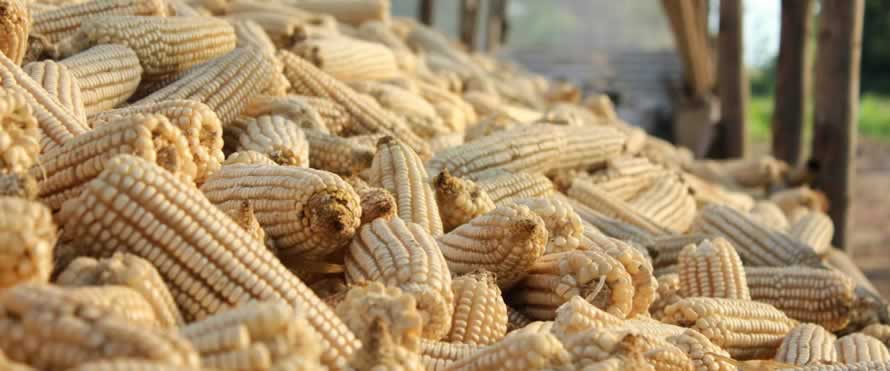
GOVERNMENT has paid K175 million to 22,000 farmers in Mumbwa District who supplied maize to the Food Reserve Agency (FRA) in the 2025 crop marketing season.
The beneficiaries are part of 26,000 growers who started receiving their payments at
Natsave Bank last week.
On Wednesday last week, FRA indicated that it had fully disbursed funds meant for farmer payments to financial institutions.
During last year’s crop marketing season, the agency bought 1,668,893.25 metric tons of grade A white maize, equivalent to 33,377,865 50-kilogramme bags, valued at K11,348,474,100.
President Hakainde Hichilema has assured farmers that the chaotic scenes experienced during the payment for the grain supplied to FRA will not happen again.
Farmers spoken to from Opul-Cooperative in Mumbwa, Gift Chishinga and Milgirl Matepata, are pleased to have been settled.
Mr Chishinga said despite the delay, it is a relief for farmers who are receiving their monies, sentiments shared by another producer, Edith Syakalima.
Mumbwa District Commissioner Namukolo Hayumbu said in an interview that all the people who supplied the grain to FRA will be paid within this month.
“I am happy the bank has extended the working hours to 18:00 hours so that the farmers can be paid,” she said.Being an agriculture district, Ms Hayumbu said farmers are key players in ensuring the country is food-secure.
On the Farmer Input Support Programme (FISP), 15,994 recipients have redeemed their inputs.
Further, livestock rearing and fish farming are some of the economic activities in the district.
Mumbwa has an estimated livestock population of 130,000 cattle -220,000 goats, 223,000 chickens and 19,193 sheep.
The district is a transit point for several neighbouring districts but only has one permanent checkpoint at Nalusanga, which facilitates disease control as livestock is being transported. This is not adequate as the district is vast.
Despite the large livestock population, the district has no functional dip tanks, hence it experiences severe tick-borne disease outbreaks.
Aquaculture is one of the growing sub-sectors in the area due to favourable conditions.
These conditions include adequate water resources, suitable soils, abundance of land and a high demand for fish on the local market.